

Level 2 EV Charger Installation in Metro Detroit: What It Actually Costs (and What Trips People Up)
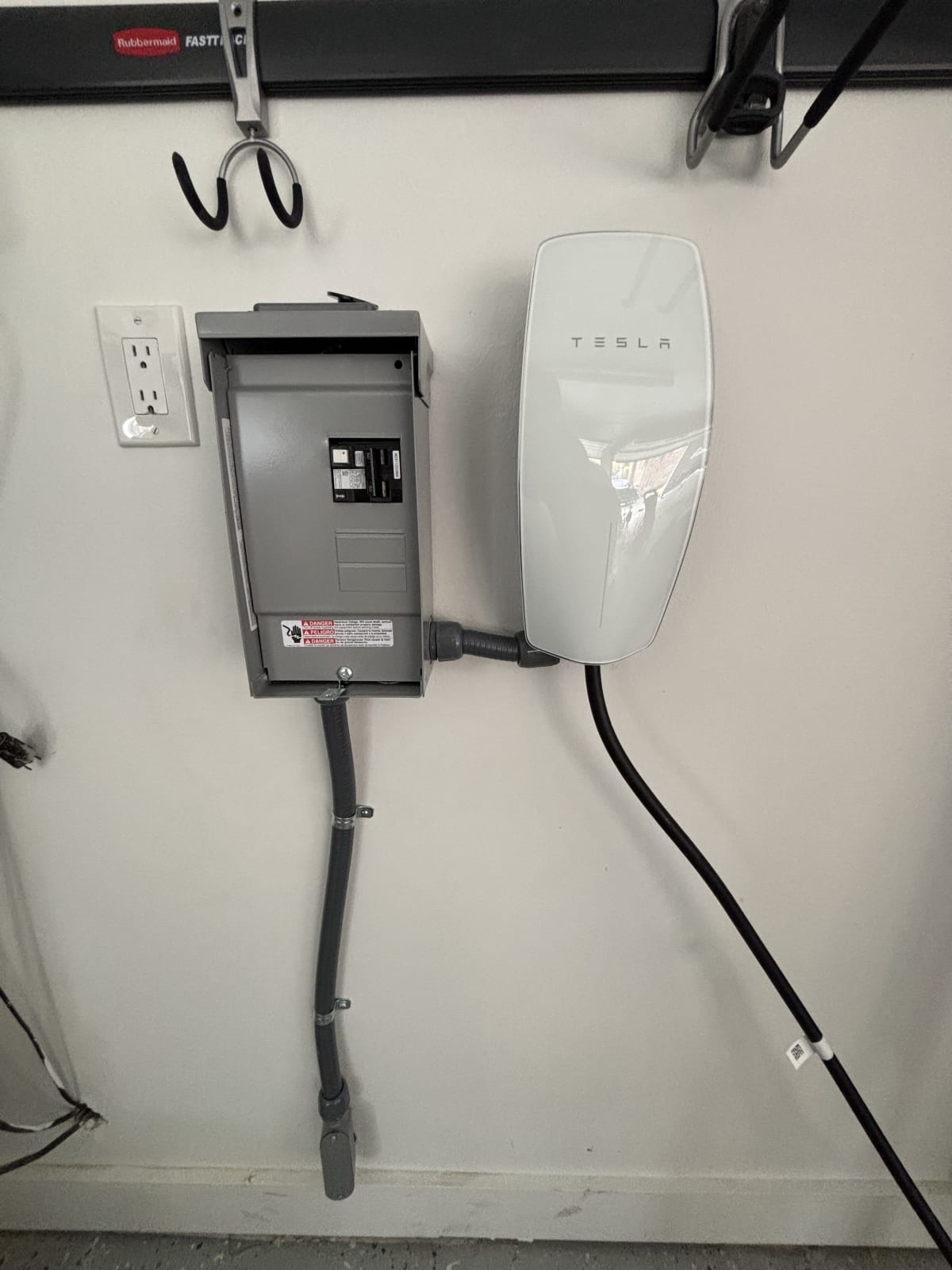
If you just brought home an EV — or you're about to — the charger that came with it (a standard Level 1 cord that plugs into any outlet) is going to feel painfully slow. Level 1 adds roughly 3–5 miles of range per hour. A Level 2 charger, running on a 240-volt circuit like your dryer or range, adds 20–40+ miles per hour depending on the charger and your car. For most households, Level 2 is the difference between plugging in every night without thinking about it and constantly watching a percentage.
The part that trips people up isn't the charger itself — it's the electrical work behind it, and the shortcuts that are tempting to take to save a few hundred dollars up front.
What a Straightforward Install Actually Costs
A simple job — charger location close to the panel, panel has the capacity to spare, installed on a NEMA 14-50 outlet — starts around $750. On the other end, a job that needs a full panel upgrade (commonly to 200-amp service) plus a long circuit run — say, out to a detached garage — can run up to $7,000. Most jobs land somewhere in between, and the two things that move the number are distance and whether your panel has room.
We give you a real number after we've actually looked at your panel and measured the run — not a phone estimate. But those two figures are the honest range, not a teaser number that turns into something bigger once a tech shows up.
Hardwired vs. a NEMA 14-50 Outlet — the Decision That Matters Most
This is the single biggest fork in the road on an EV charger install, and it's where a lot of other guides give you a shrug ("either works!") instead of a straight answer.
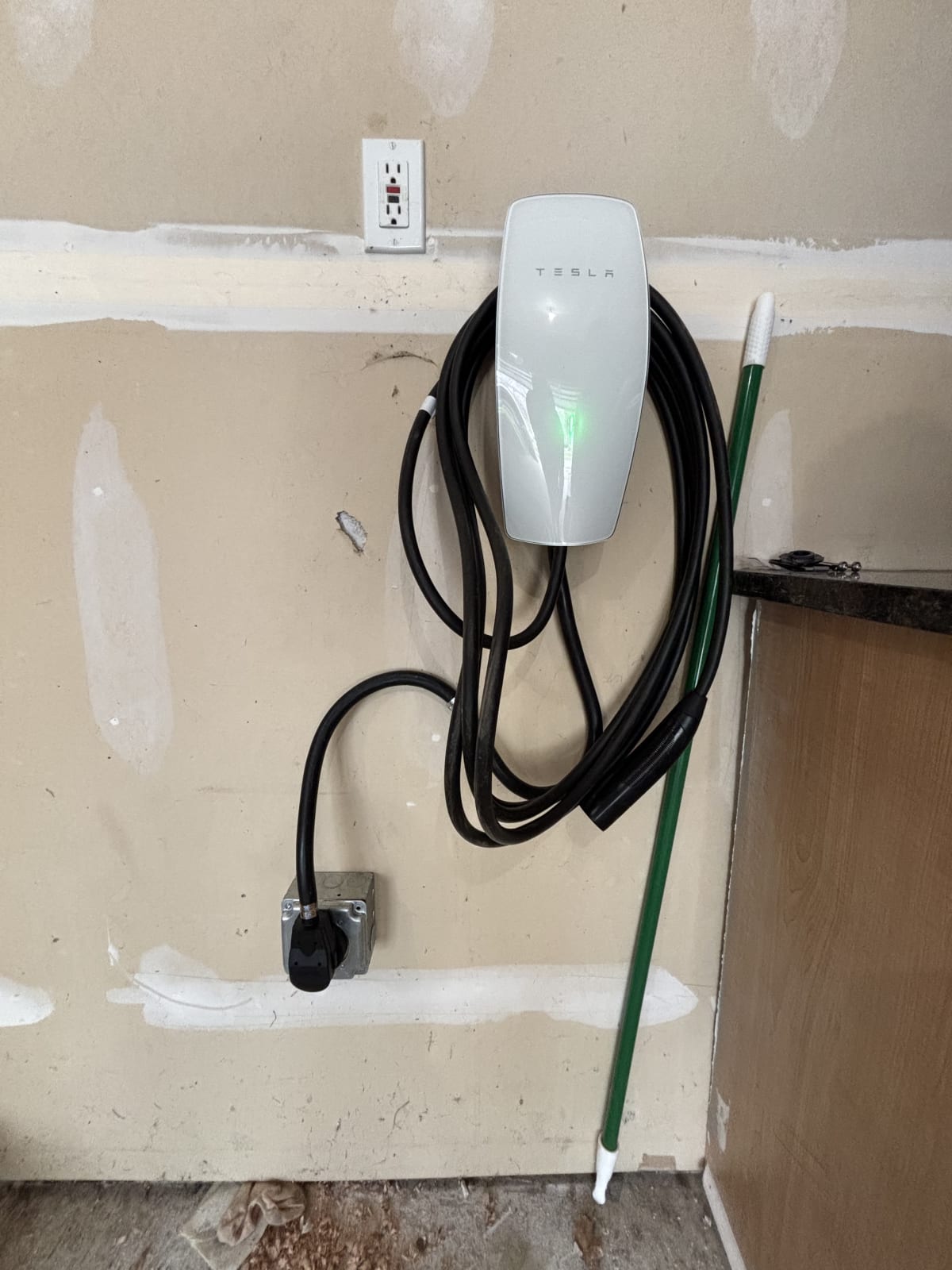
A NEMA 14-50 outlet lets you plug a charger in like a big appliance. It's flexible — you can unplug it, swap chargers, take it with you if you move. But it's also a mechanical connection carrying a sustained heavy electrical load for hours at a time, every night, for years. That's exactly the kind of connection that loosens, heats up, and fails over time if it isn't installed and maintained correctly. Michigan code requires GFCI protection on a 14-50 outlet used for EV charging — that's not optional, and it's one of the first things we check when we see one that was installed by someone else.
Hardwiring the charger — no outlet, no plug, just a dedicated disconnect and a direct connection — removes that failure point entirely. There's no plug connection to loosen or arc over time. Hardwired units don't carry the same GFCI-receptacle requirement, but they do require a proper disconnect. For a permanent, daily-use setup, hardwired is the more durable choice, full stop.
The corner-cutting we see most isn't actually about hardwired-vs-outlet as a concept — it's about the outlet route being done cheap: a standard NEMA 14-50 instead of an EV-rated one, the wrong wire, an undersized breaker. Done right, either approach is safe. Done cheap, the outlet route is where problems show up first.
The Shortcuts That Cause Real Problems
Here's what we actually see go wrong on EV charger circuits that someone else installed, or that a homeowner had a non-specialist handle:
- Aluminum wire on an EV charging circuit instead of copper. EV chargers pull a sustained, heavy load for hours — not the occasional short burst most household circuits see. Aluminum terminations are more prone to loosening and overheating under that kind of sustained draw. Our rule: EV circuits are always copper.
- Improperly sized breakers — a breaker that doesn't match the charger's actual continuous draw.
- Going over the panel's actual capacity — adding a 40–50 amp continuous load to a panel that doesn't have the room, without doing the load calculation first.
- Non-EV-rated wire, or a standard NEMA 14-50 outlet installed where an EV-rated outlet (or hardwiring) should have been used.
None of these show up as an immediate problem. They show up six months or two years later, as a warm outlet, a tripped breaker, or worse. As Nate puts it: if you do it cheap, you do it twice.
Charger Brands: Tesla vs. Everything Else
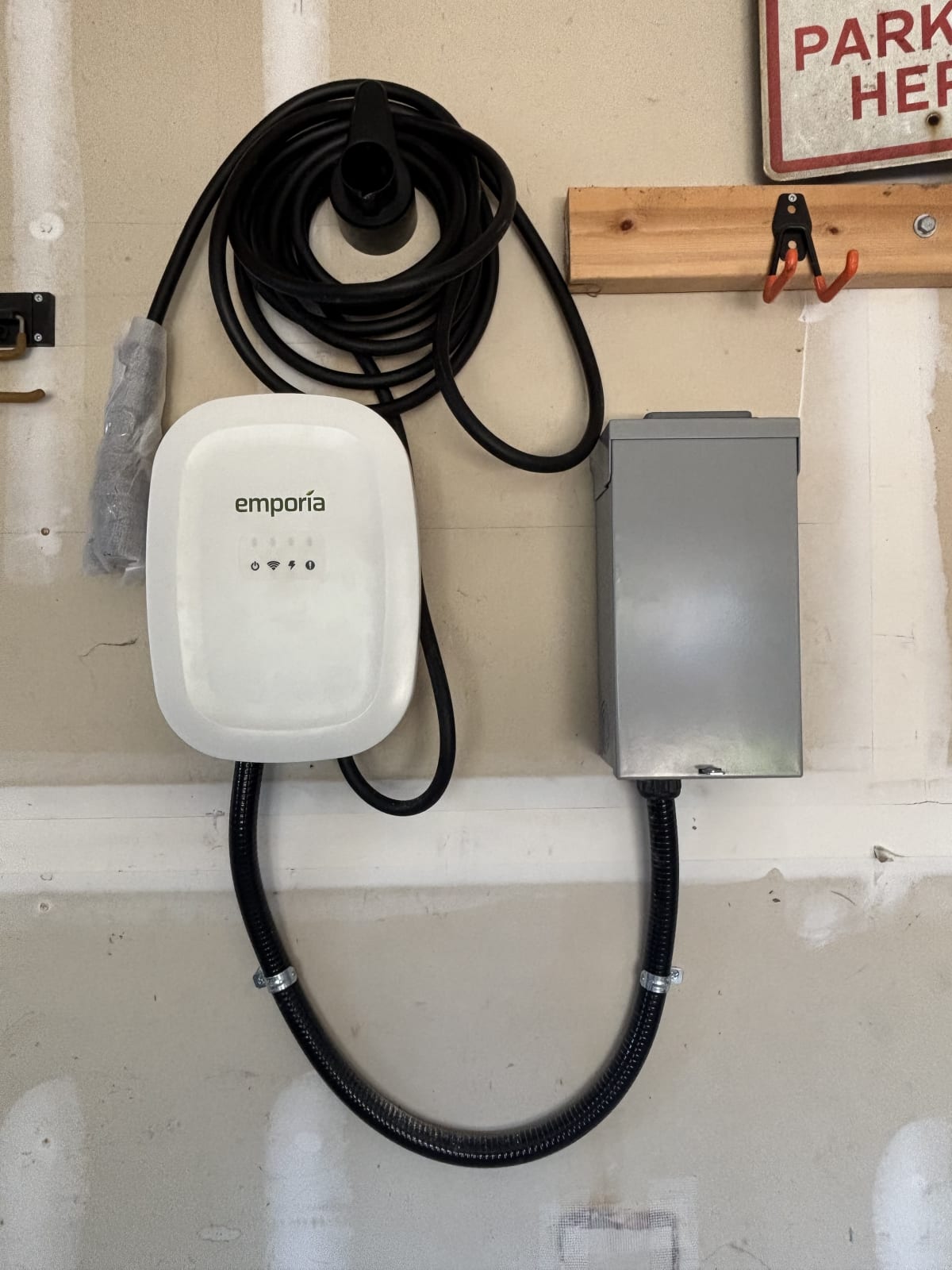
If you drive a Tesla, the Tesla Wall Connector is a genuinely good option — it's built specifically for that car and it works well. If you don't drive a Tesla, the rest of the field (ChargePoint, Grizzl-E, Emporia, Wallbox, and others) is fairly similar in practice. The brand matters less than getting the installation right: correct amperage for your vehicle and panel, UL listing, and — for anything permanent — hardwired over plug-in. We'll walk you through the real differences for your specific situation rather than push one brand because it's the one we happen to stock.
Where This Comes Up Most in Metro Detroit
- Condos and townhomes — panels in these are frequently undersized for the building, which makes adding a 40–50 amp EV circuit the thing that forces a capacity conversation that wouldn't come up with a single-family home's panel.
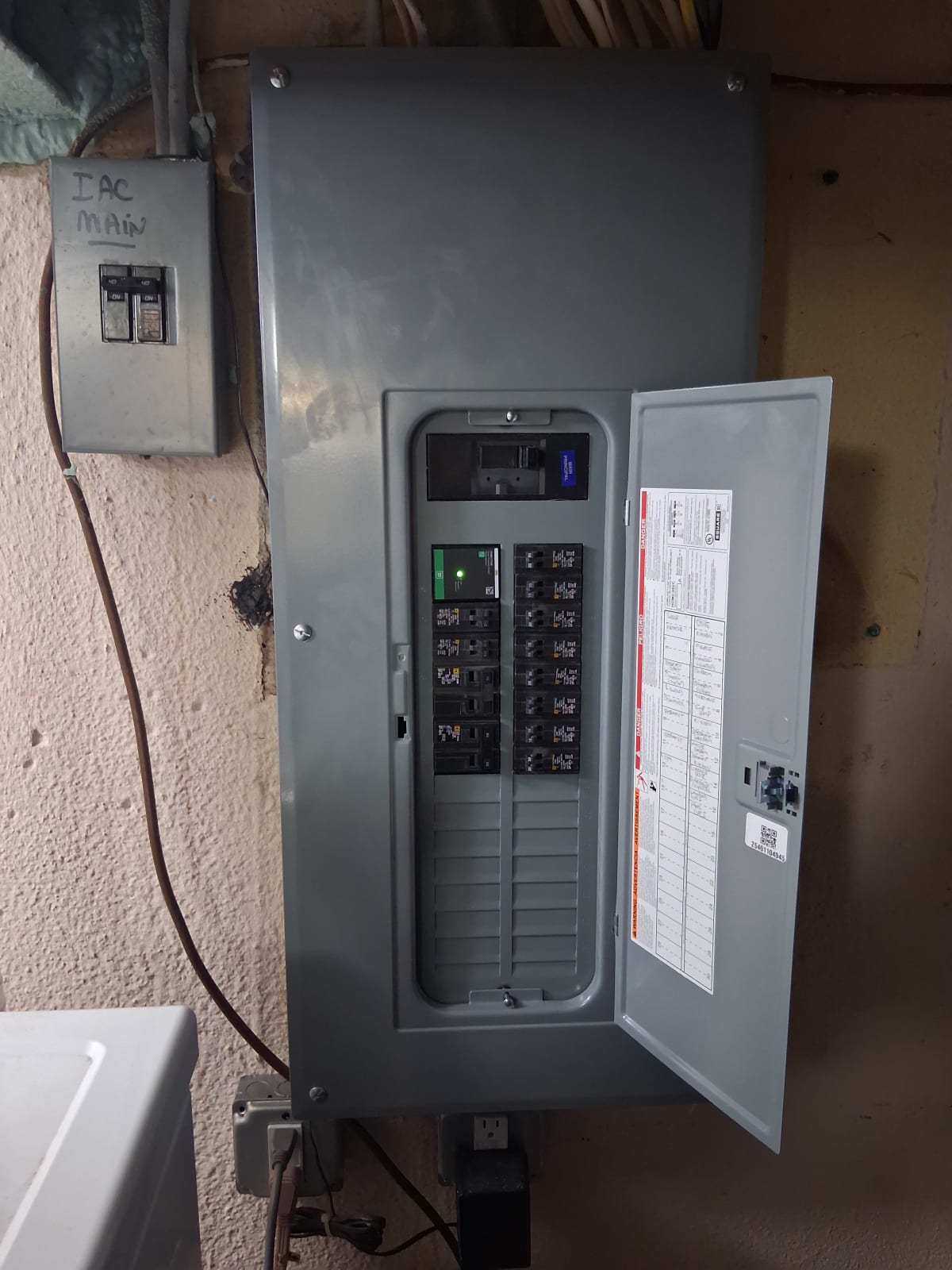
- Older homes with original or undersized panels — common across Macomb and Oakland County's older housing stock, same panels that show up in our panel upgrade and Federal Pacific/Zinsco posts. If your panel is already a question mark, the EV charger conversation and the panel conversation are usually the same conversation.
- Detached garages — distance and difficulty of the run is the single biggest cost driver here. Trenching, conduit, and whether the garage has its own sub-panel all factor in, and this is where estimates vary the most.
What a Licensed Install Actually Involves
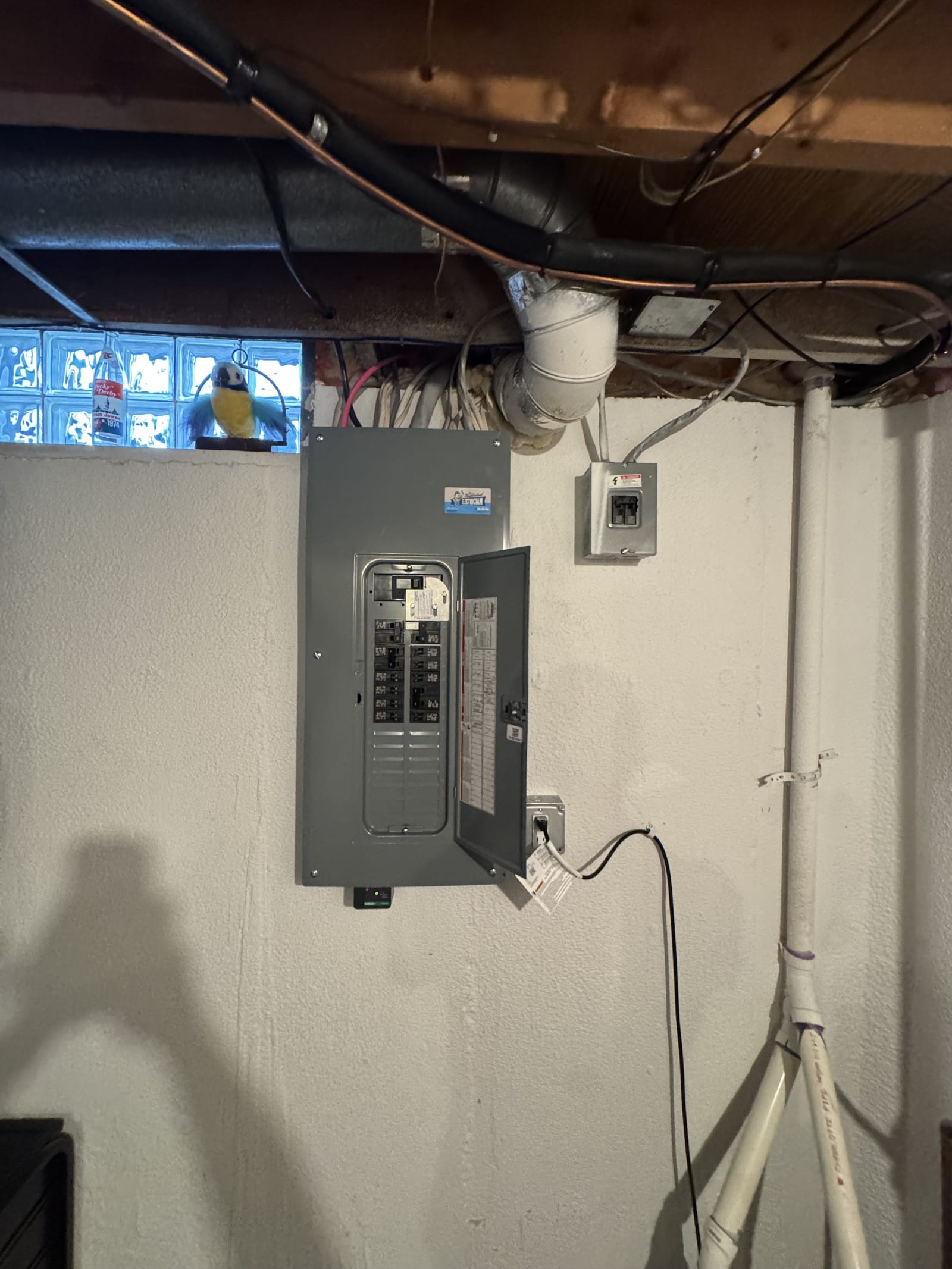
A proper Level 2 install means a load calculation to confirm your panel can actually support the new circuit, a dedicated circuit sized correctly for your charger (not oversized "just in case," not undersized to save money), the right disconnect or GFCI protection depending on hardwired vs. outlet, a permit, and a municipal inspection. Michigan Electrical Code requires a permit for this kind of circuit work — a licensed electrician pulls it as part of the job, not something you chase down yourself afterward. See our EV charger installation service for how we scope that, and our panel upgrade service if capacity turns out to be the real issue.
Rebates and Tax Credits — What's Actually Still Real
Worth knowing before you count on a number you saw online: the federal tax credit that used to apply to home EV charger installations expired for anything placed in service after June 30, 2026. If a site or a salesperson is still advertising it as a sure thing, that's outdated. Utility rebate programs change too and are worth checking directly with your provider before you budget around a specific dollar amount — we're glad to point you in the right direction, but treat any number here as something to verify at the time you're ready to install, not something to bank on in advance.
Master Electrician Safety Note
Don't let anyone convince you a standard household outlet or an extension cord setup is an acceptable substitute for a properly installed EV charging circuit. And don't open your panel yourself to count breaker slots or guess at capacity — that's a real load calculation, not something to eyeball.
What Homeowners Can Safely Check (and What Not to Touch)
Safe to check yourself: whether your panel has open breaker slots (a quick visual look, not an electrical test), the rough distance from your panel to where you want the charger, and whether your charger's plug type matches what your installer is quoting (NEMA 14-50 vs. hardwired).
Not something to take on yourself: opening the panel to determine if there's real room for a new circuit (that's a load calculation, not a guess), or treating a standard outlet or extension cord as a substitute for a properly installed circuit — that's exactly the kind of shortcut that causes the problems above.
When to Call a Licensed Electrician
Any time you're adding a dedicated 240V circuit — which an EV charger always requires. If you've already got a NEMA 14-50 outlet installed by someone other than a licensed electrician, or you're not sure whether it has GFCI protection, that's also worth a call before you plug in and walk away for the night.
How TNE Handles EV Charger Installs
We start with a real look at your panel and the actual run, give you a firm number — not a phone guess — and build the circuit to last: copper, correctly sized, GFCI or disconnect as the install calls for, permitted and inspected. If your panel doesn't have the room, we'll tell you that up front and talk through whether a straightforward circuit add or a panel upgrade is the right call for your situation.
FAQ
Do I need a dedicated circuit for a Level 2 EV charger?
Yes. Every Level 2 charger needs its own dedicated 240V circuit sized for that charger's draw — it can't share a circuit with anything else.
Is a NEMA 14-50 outlet as good as hardwiring my charger?
For a permanent, daily-use setup, hardwiring is the more durable choice — there's no plug connection to loosen or heat up over years of sustained use. A properly installed, GFCI-protected 14-50 outlet is a legitimate option too, especially if you want the flexibility to swap chargers, but it has to be done right, with EV-rated materials, not treated like a dryer outlet.
How much does a Level 2 EV charger installation cost in Metro Detroit?
A straightforward install close to the panel, with capacity to spare, starts around $750. A job needing a full panel upgrade and a long run — a detached garage, for example — can run up to $7,000. We give you a firm number after we've actually seen your panel and measured the run.
Does my panel have room for an EV charger?
That depends on your panel's total capacity and what's already on it — something a licensed electrician checks with a real load calculation, not a guess. This comes up most in condos and older homes with undersized original panels.
Will I get a rebate or tax credit for installing an EV charger?
Possibly, through your utility — but the federal tax credit that applied to home EV charger installs expired for installations after June 30, 2026. Check current program details before you count on a specific number.
Can I install my own EV charger?
No — not safely, and not legally in most cases. This is new 240V circuit work that requires a permit and inspection under Michigan Electrical Code, plus a real load calculation to confirm your panel can handle it.
Ready to stop guessing what a real EV charger install costs? Call 586-489-1504 for a firm number based on your actual panel and your actual run.
More electrical advice for homeowners
Explore more homeowner-friendly electrical tips, safety advice, and upgrade ideas from our team.
Electrical Services For Your Home
Use our simple booking tool to schedule electrical service or get a rough estimate for common projects. Choose a time that works for you and we'll take care of the rest.