

Federal Pacific, Zinsco & Old Fuse Panels: What Metro Detroit Homeowners Need to Know
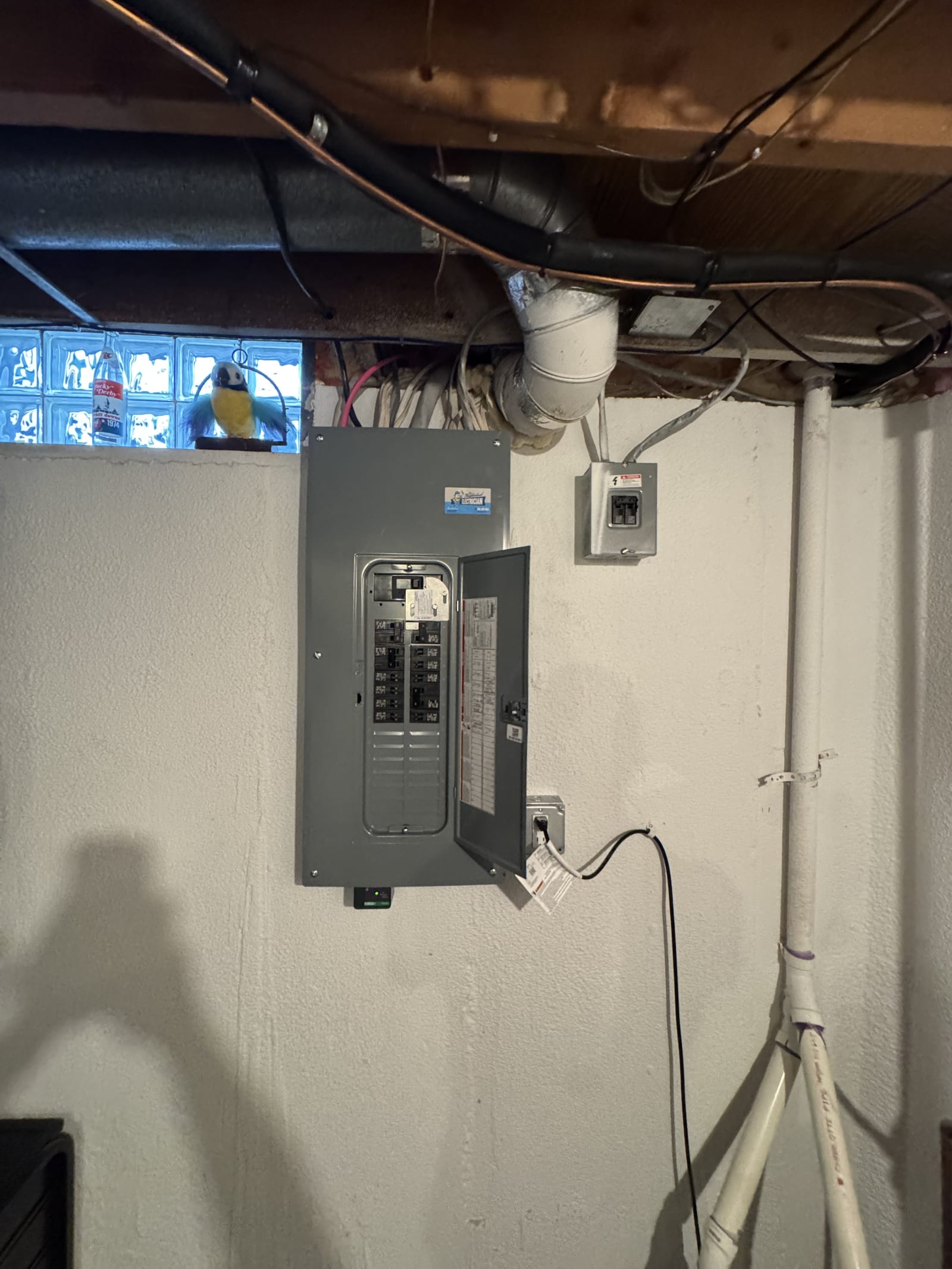
If an inspector, an insurance agent, or a neighbor has ever mentioned "Federal Pacific panel" or "Zinsco" to you and it made your stomach drop a little, you're not overreacting. These aren't outdated-but-fine relics like an old rotary phone. Certain electrical panel brands installed across Metro Detroit from the 1950s through the 1980s have a documented history of breakers that don't trip when they're supposed to — and a breaker that doesn't trip during a fault is the one safety mechanism a panel exists to provide.
This isn't a scare piece. It's the plain version of what these panels actually do wrong, where they tend to show up in Macomb and Oakland County homes, and what your real options are — including real replacement costs, not a guess.
Why the Panel Brand Actually Matters
Every breaker in your panel has one job: sense an overload or a short circuit and cut power before wires overheat. Panels from a handful of manufacturers have a well-documented pattern of breakers that stay closed under fault conditions — sometimes even when you manually flip them off. The panel looks completely normal from the outside. There's no warning light, no smell, no way to know just by looking at the front cover. The only way to know what's actually behind that cover is to open it and read the nameplate — which is not a DIY step (more on that below).
Federal Pacific Electric (FPE) Stab-Lok
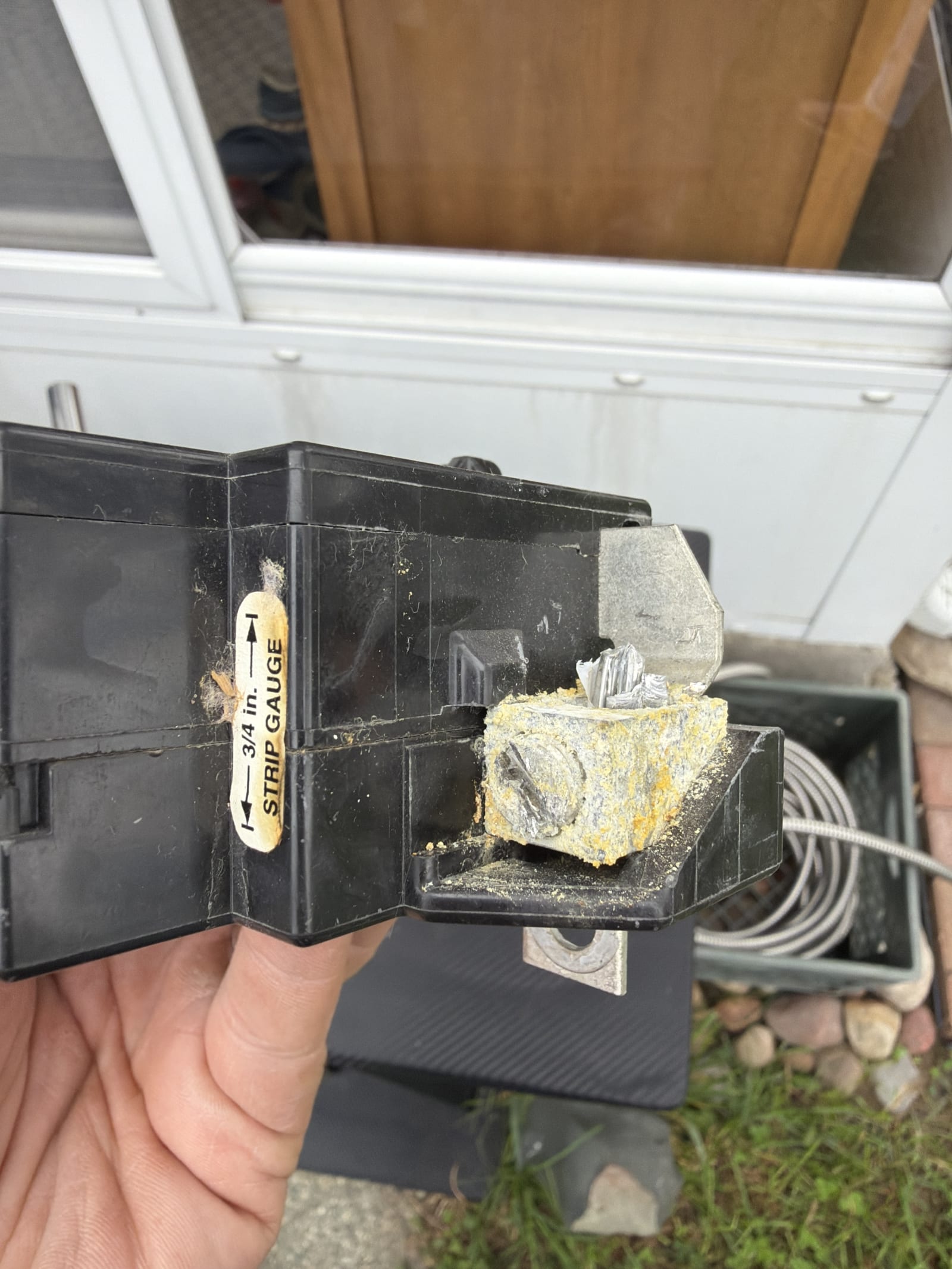
FPE panels were installed heavily nationwide from the 1950s into the early 1980s, and Metro Detroit's building boom during that window means they still turn up constantly in our service calls — split-levels and ranches in Sterling Heights, Warren, and Troy in particular. The tell is usually a gray panel door with "Federal Pacific Electric" or "FPE" cast into the metal, and breakers with a distinctive stab-in connection design. Independent testing over the years has found FPE Stab-Lok breakers failing to trip at unacceptably high rates under overload conditions.
Zinsco / GTE-Sylvania
Zinsco (later sold under GTE-Sylvania) panels share the same basic failure pattern as FPE, plus one of their own: the breakers can fuse directly to the bus bar over time, meaning even physically switching a breaker off doesn't fully disconnect power to that circuit. Zinsco panels often have colorful breaker handles (blue, red, orange) that make them easy to spot once you know to look.
Challenger Panels
Challenger panels are a different case — the concern is a specific recalled breaker model, not the whole panel line categorically. If you have a Challenger panel, the breakers themselves need to be checked against the recall list rather than assuming the entire panel needs replacement.
Old Fuse Boxes
Screw-in or cartridge fuse panels are a different problem entirely — not a failure-to-trip risk so much as a capacity and code-compliance issue. These show up most in the 1920s–1940s plaster-built homes around Royal Oak, Birmingham, and Berkley, often alongside remnants of older cloth-covered or knob-and-tube wiring. A 60-amp fuse panel simply wasn't sized for a modern household's electrical load, and the workaround homeowners sometimes reach for — oversized fuses — defeats the one protection the system has.
What a Licensed Panel Replacement Actually Involves
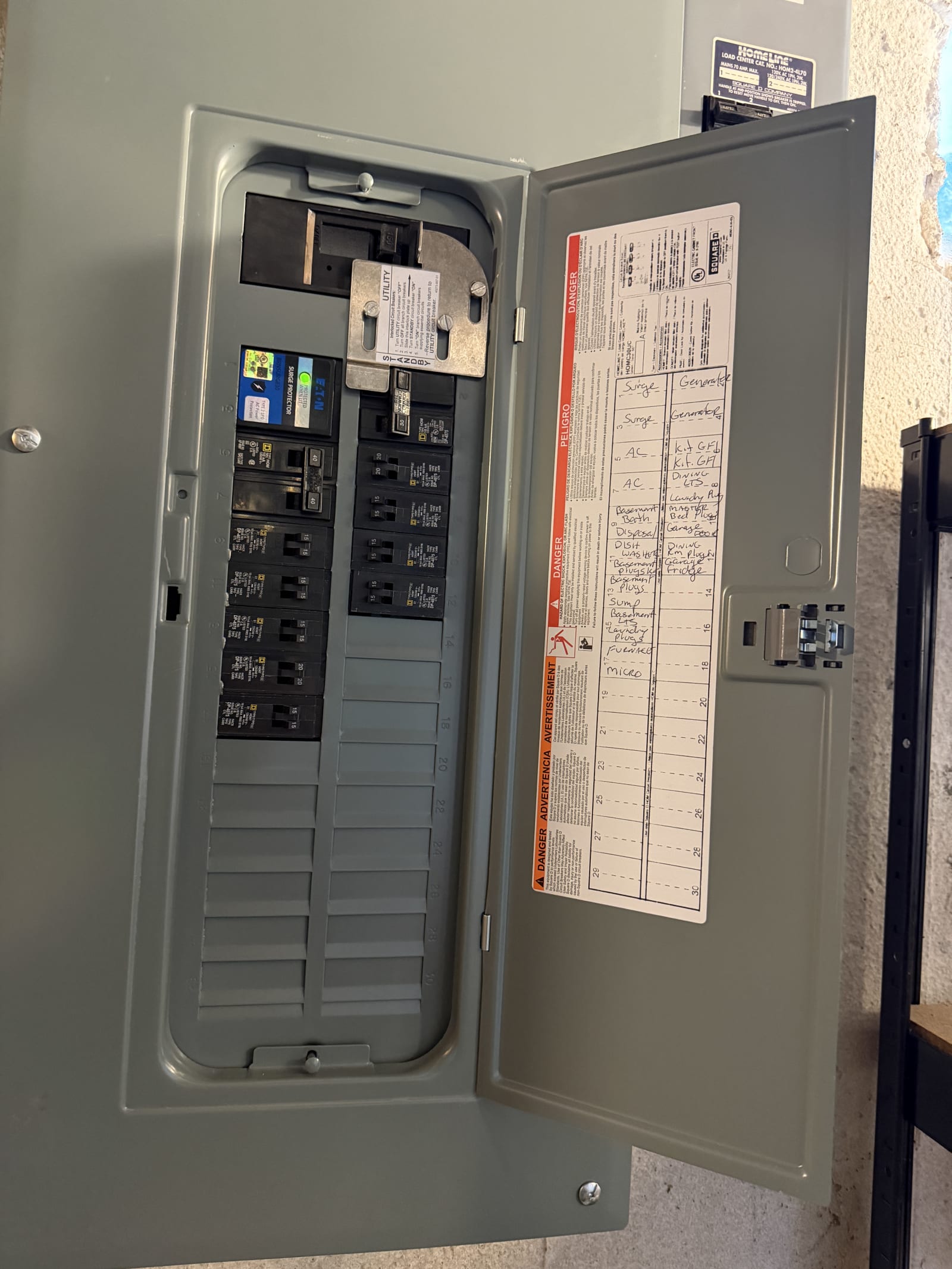
A full panel swap means pulling a permit with your local municipality and replacing the panel with a modern breaker panel sized correctly for your home's actual load — not just a one-for-one swap. We handle disconnecting the power ourselves for the swap, so there's typically no need to wait on DTE. Depending on your home, this can also be the right moment to upsize to 200A or 400A service if you're planning an EV charger, a generator, or an induction range down the line. See our electrical panel upgrade service for how we scope that.
Real-world pricing: most panel replacements run $2,000 to $7,000, depending on the amperage you're upgrading to and whether it's a straightforward panel swap or a full system replacement that also includes new grounding and the outdoor service disconnect Michigan now requires (more on that below). We give you a firm, written number after a real load calculation at your home — never a guess over the phone.
Michigan Electrical Code Note: The Outdoor Main Disconnect
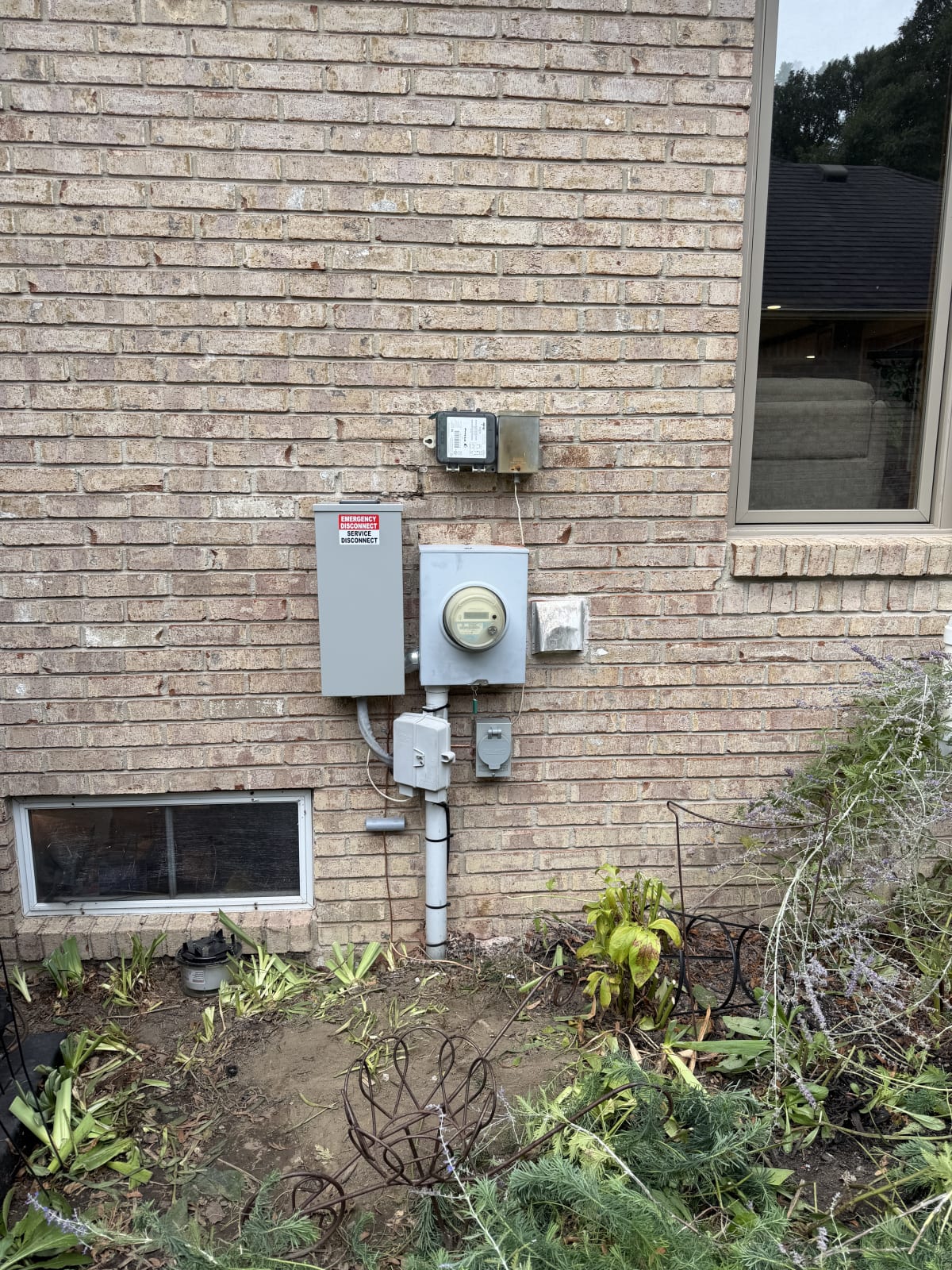
Panel replacements in Michigan require a permit and inspection under the Michigan Electrical Code (based on the NEC), plus a main service disconnect mounted outside the home and readily accessible, so utility crews and first responders can cut power without entering the house. We handle the permit, the power shutdown, and the inspection as part of the job — it's not something you need to chase down yourself. For the full breakdown of how that outdoor disconnect changes your panel's wiring (and when it means upgrading an old 3-wire dryer or range circuit), see our guide on 100A vs. 200A panel upgrades.
If You're Mid-Home-Sale and This Just Came Up on an Inspection Report
This is one of the most common ways people find out they have one of these panels — a home inspector flags it during a sale, and suddenly there's a closing deadline attached to the decision. If that's where you are, see our guide on working with real estate agents and inspectors for how that timeline usually works.
Master Electrician Safety Note
Never open your panel cover to check the brand yourself if you're not confident working around a live panel — and never test a suspect breaker by intentionally overloading a circuit. If you can identify the brand from the exterior nameplate without opening anything, that's enough information to call us with.
FAQ
Is my Federal Pacific panel guaranteed to fail?
No — not every FPE or Zinsco panel will fail, and having one doesn't mean your house is unsafe today. It means the panel's core safety function is less reliable than a modern panel's, which is why replacement is the standard recommendation rather than a wait-and-see approach.
Can I get homeowners insurance with a Federal Pacific or Zinsco panel?
Some insurers will flag these panel brands during underwriting or renewal and require replacement or add a rider. Policies vary by carrier — check with your agent directly.
How do I know what panel brand I have without opening the cover?
The manufacturer name is usually cast or printed directly on the panel's exterior door, above or below the main breaker. If it's not visible from the outside, that's a job for a licensed electrician, not a DIY inspection.
How much does it cost to replace a Federal Pacific or Zinsco panel in Metro Detroit?
Most panel replacements run $2,000 to $7,000, depending on the amperage you're upgrading to and whether it's a straightforward swap or a full system replacement that includes new grounding and the outdoor service disconnect Michigan now requires. We give you a firm number after a real load calculation — not a guess over the phone.
Recognize one of these panel brands in your own home? Call 586-489-1504 for a straight answer on what you have and what it actually costs to fix.
More electrical advice for homeowners
Explore more homeowner-friendly electrical tips, safety advice, and upgrade ideas from our team.
Electrical Services For Your Home
Use our simple booking tool to schedule electrical service or get a rough estimate for common projects. Choose a time that works for you and we'll take care of the rest.