

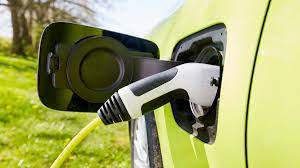
With electric vehicles (EVs) becoming more common, having an EV charger at home is no longer a luxury—it’s a smart, energy-efficient move. But if you’re new to EVs or home charging setups, you probably have questions like:
- What types of EV chargers are available?
- How much do they cost to install?
- Which charger is best for your home?
- Is it safe to install it yourself?
In this detailed guide, we’ll answer all those questions and help you make the best choice for your vehicle and lifestyle.
⚡ What Is an EV Charger?
An EV charger is a device that supplies electrical power to recharge electric vehicles. It connects your EV to your home’s electrical system or a public power grid. Think of it as your car’s fuel pump—just with electricity instead of gas.
🔌 Types of EV Chargers
EV chargers come in three main levels, each offering different charging speeds and installation requirements.
🔋 Level 1 Charger (120V)
- Speed: ~3–5 miles of range per hour
- Outlet Type: Standard 120-volt household outlet
- Ideal for: Overnight charging, plug-in hybrids, low-mileage drivers
- Installation Cost: None (comes with most EVs)
✅ Best for short daily commutes or backup charging
⚡ Level 2 Charger (240V)
- Speed: ~25–30 miles of range per hour
- Outlet Type: Requires 240V outlet (like a dryer plug)
- Ideal for: Daily drivers, full EVs
- Installation Cost: $500–$2,000 (includes electrician fees)
✅ Most common for home installations
⚡⚡ Level 3 Charger / DC Fast Charger
- Speed: 150+ miles of range in 30 minutes
- Outlet Type: Special commercial-grade equipment
- Ideal for: Commercial use, public charging stations
- Installation Cost: $10,000–$50,000+
⚠️ Not suitable for home installation
🏡 Benefits of Installing a Home EV Charger
- Convenience: Charge your EV overnight at home—no more gas stations or waiting in line at public chargers.
- Cost Savings: Home electricity is usually cheaper than public charging or gas.
- Faster Charging: Especially with a Level 2 charger.
- Boost Property Value: More buyers want EV-ready homes.
- Better Battery Management: Frequent full charging helps extend your EV’s battery life.
💰 How Much Does It Cost to Install an EV Charger?
| Installation Type | Estimated Cost |
|---|---|
| Level 1 Charger | $0 (plug & play) |
| Level 2 (basic) | $500 – $1,000 |
| Level 2 (with panel upgrade or longer wiring) | $1,000 – $2,000+ |
Other factors that affect cost:
- Distance from the electrical panel
- Panel amperage availability
- Type of charger (hardwired vs. plug-in)
- Permit fees and local codes
📞 Tip: Get quotes from 2–3 certified electricians before proceeding.
🔧 Can I Install an EV Charger Myself?
If you’re sticking to a Level 1 charger, then yes, you can simply plug it into a standard outlet. But Level 2 chargers require a 240V circuit, and improper installation can lead to:
- Fire hazards
- Tripped breakers
- Code violations
- Damaged charging equipment
So it’s strongly recommended to hire a licensed electrician.
💡 Pro tip: Ask your electrician to install a NEMA 14-50 outlet—it’s compatible with many EVs and future-proof for upgrades.
🧠 What to Consider Before Choosing a Home EV Charger
1. Your EV’s Maximum Charging Speed
Your car’s onboard charger determines how fast it can receive power. Make sure the charger you install matches your EV’s capabilities.
2. Wi-Fi and Smart Features
Some chargers let you:
- Monitor charging via app
- Schedule off-peak charging (to save money)
- Receive alerts or charging history
3. Cable Length
Standard charging cables range from 16 to 25 feet. Choose a length that reaches your parking spot comfortably.
4. Hardwired vs. Plug-In
- Hardwired: Cleaner look, weatherproof, permanent
- Plug-in: Portable, easier to upgrade or replace
🌎 Can You Use Solar Panels to Charge Your EV?
Absolutely! Solar energy can reduce your charging costs to nearly zero. Many homeowners combine solar + EV charging for:
- Lower energy bills
- Reduced carbon footprint
- Energy independence
🌞 Consider a solar battery system to store energy and charge your EV even during outages.
🗺 Where Else Can You Charge?
While a home charger is most convenient, you can still charge your EV on the go at:
- Public charging stations (Level 2 or DC Fast Chargers)
- Workplaces with EV parking
- Supermarkets, malls, hotels (many offer free charging)
- Highway rest stops
Apps like PlugShare, ChargePoint, and Electrify America help you find the nearest charger.
🔐 Are Home EV Chargers Safe?
Yes, when installed correctly by a professional. Here are some safety features to look for:
- UL or ETL certification
- Overcurrent protection
- Ground fault detection
- Weatherproof casing (for outdoor units)
Also, follow manufacturer maintenance guidelines, and periodically check the outlet and wiring for wear.
🧾 Do EV Chargers Qualify for Tax Credits or Rebates?
Yes! Depending on your location, you may qualify for:
- Federal EV charger tax credits
- State or local utility rebates
- Solar + EV combo incentives
🔍 Check with your local energy provider or visit Energy.gov for up-to-date programs.
✅ Final Thoughts
Installing a home EV charger is one of the smartest things you can do as an electric vehicle owner. It’s convenient, fast, safe, and adds long-term value to your property.
Whether you start with a basic plug-in option or go all-in with a smart Level 2 system, you’ll wonder how you ever lived without it.