


Whole-Home Generators & Portable Generator Hookups
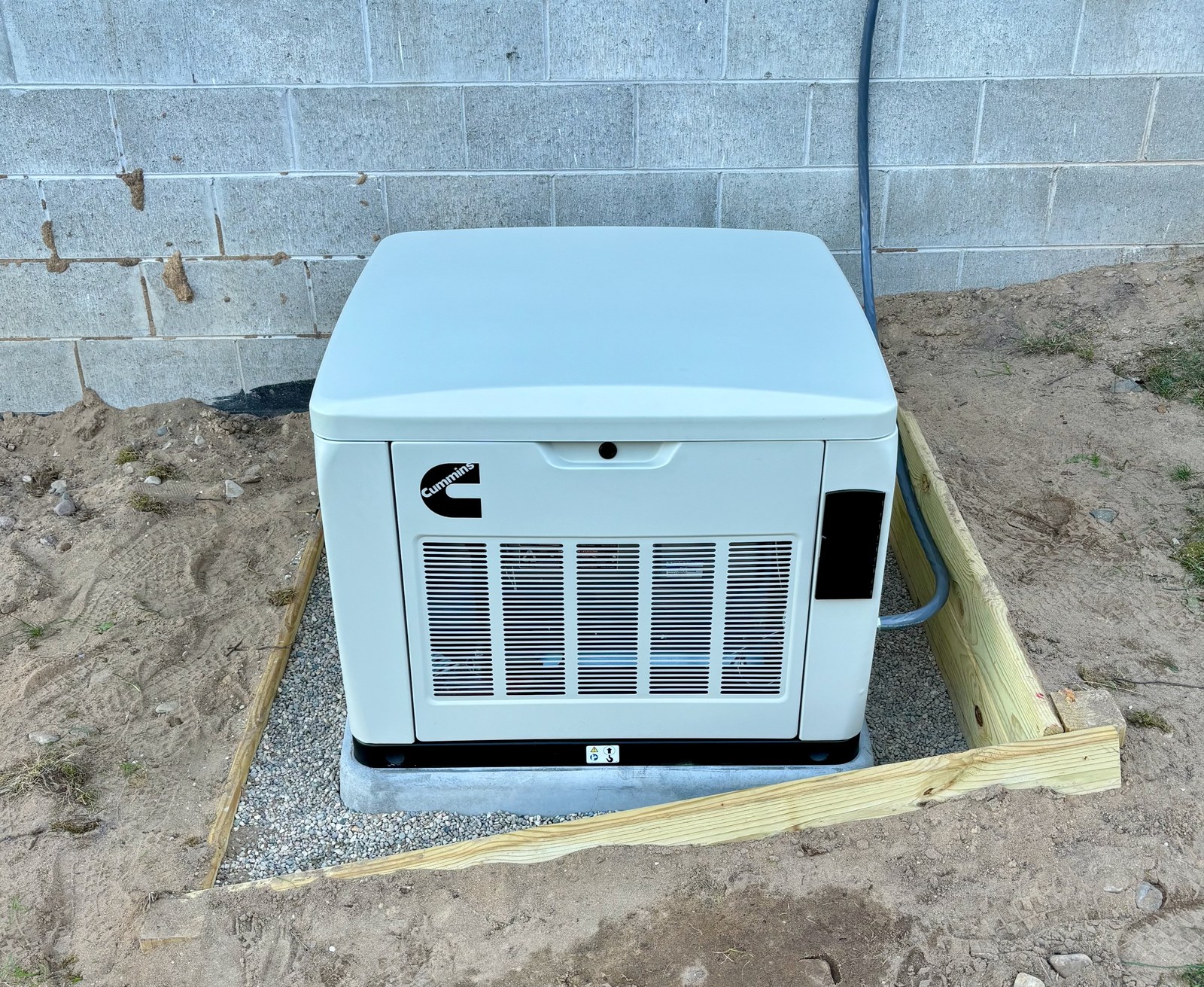
When the DTE outage map lights up, backup power should feel automatic, safe, and boring in the best possible way. We help Southeast Michigan homeowners choose between a fully automatic whole-home standby generator and a more budget-friendly portable generator interlock kit, then install the electrical side correctly so the house is ready when the grid is not.
- Best long-term setup: A permanently installed standby generator with automatic transfer equipment for hands-off backup power.
- Smart budget option: A manual interlock kit and exterior inlet for homeowners who want to use a portable generator safely.
- What we protect: Furnace, sump pump, refrigerator, freezer, well pump, lighting, internet, medical equipment, and the circuits that keep normal life moving.
- Local work: Shelby Township, Macomb County, Oakland County, and nearby DTE-served neighborhoods.
Interlock Kits: The Smart Manual Option for Portable Generators
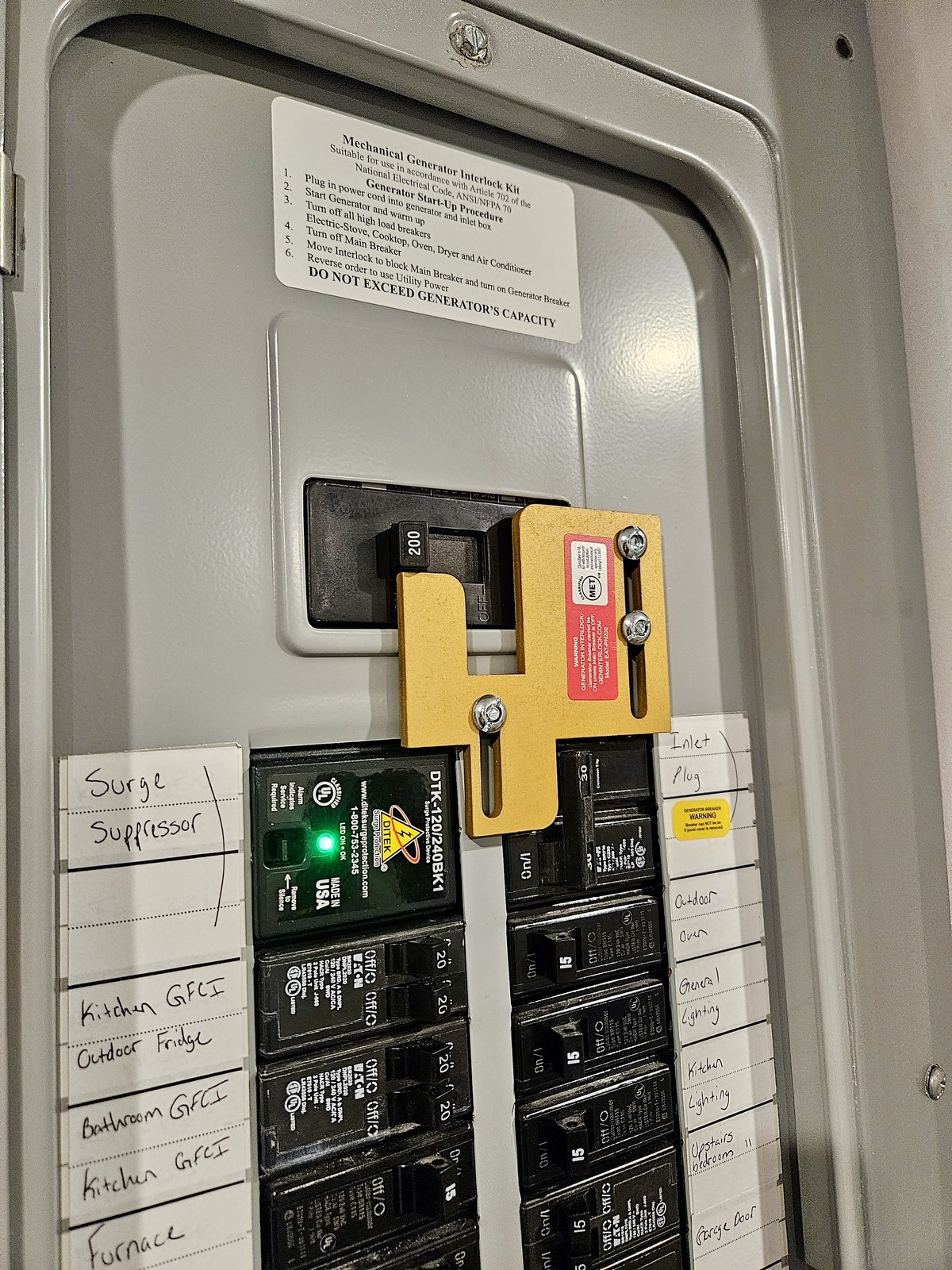
If a whole-home standby generator is not the right move yet, a manual interlock kit is the next best way to make a portable generator useful. It lets you power hardwired essentials through your electrical panel instead of running cords through windows and hoping the right things are plugged in.
The yellow plate shown here is the point of the system. It physically prevents the main utility breaker and the generator breaker from being on at the same time. That separation is what helps protect your home, your generator, and the DTE crews working on the lines.
This is the budget-friendly backup power path: you still roll out the generator, start it, plug into the exterior inlet, and manage loads manually. But the connection is permanent, labeled, weather-rated, and built for real outage use.
Portable Generator Interlock Kit Installation: $1,200 - $1,800
Most portable generator interlock kit installations land between $1,200 and $1,800. That includes the mechanical interlock kit, a standard exterior power inlet box, dedicated breaker, wiring, and professional installation.
This is the flexible, whole-panel portable generator setup we recommend when a standby generator is not the right move yet.
Includes the interlock kit, standard exterior inlet, dedicated breaker, wiring, and installation.
- Conduit run: Length and path between the main panel and exterior inlet box.
- Panel layout: Manufacturer, condition, and two adjacent breaker spaces at the top of the panel.
- Inlet size: 30-amp vs. 50-amp based on generator wattage.
- Panel condition: Older, crowded, or poorly labeled panels may need cleanup before the interlock can be installed cleanly.
Whole-Home Standby Generator or Portable Interlock Kit?
The best backup power setup depends on how much convenience you want, which loads must stay on, and whether you want the system to start automatically when nobody is home. Whole-home generators are the premium path. Interlock kits are the practical manual alternative.
| Option | Best For | How It Works | Safety & Planning Notes |
|---|---|---|---|
| Whole-Home Standby Generator Best Long-Term | Typical installed range: $8,000 - $22,000. Best for homeowners who want automatic backup power, strong resale value, and less stress during long outages. | A permanently installed generator starts automatically and sends power through transfer equipment when utility power drops. | Requires careful sizing, automatic transfer equipment, gas/fuel planning, clearances, permitting, inspection, and clean electrical integration. |
| Portable Generator Interlock + Exterior Inlet | Typical installed range: $1,200 - $1,800. Best for homeowners who want a lower-cost manual setup and are comfortable starting a portable generator during an outage. | You roll out the generator, plug into the exterior inlet, shut off the main, slide the interlock, and choose the breakers you want to run. | Must be mechanically interlocked, labeled, permitted, and used within the generator's capacity to avoid overload or backfeed hazards. |
| Extension Cords Through Windows | Small temporary plug-in loads only. | Cords feed individual appliances, but hardwired equipment like furnaces, wells, and many sump pumps are left out. | Cracked windows, overloaded cords, carbon monoxide concerns, and no panel isolation make this a poor plan for a real Michigan outage. |
Backup Power Work We Handle From Panel to Final Walkthrough
Whether you choose a whole-home standby generator or a portable interlock kit, the electrical details decide whether the system is dependable. We focus on the panel, load planning, grounding, labeling, and the homeowner walkthrough.
- Load planning: We talk through what needs to stay on: heat, sump, refrigeration, well pump, kitchen, lighting, internet, and medical equipment.
- Generator sizing support: We help match the electrical plan to the standby generator capacity so the system is not underbuilt.
- Automatic standby integration: Electrical planning so the generator, utility service, panel, and home loads work together correctly.
- Panel and service review: We check breaker capacity, service condition, grounding, and any upgrades needed before installation.
- Clean documentation: The finished system should be labeled, understandable, and easy to service later.
- Final testing and walkthrough: You should know what the system does automatically and what still needs routine maintenance.
- Panel-specific interlock kit: Matched to the panel brand, cover, breaker spacing, and mechanical clearances.
- Exterior power inlet box: A weather-rated inlet mounted where the generator can sit outside where it belongs.
- Dedicated generator breaker: Installed in the correct location with conductors sized for the inlet.
- Grounding and bonding review: We check how your portable generator is configured so the system is not fighting itself.
- Clear panel labeling: The outage steps are labeled where you need them, not buried in a drawer.
- Hands-on walkthrough: We run through the startup sequence so the first real outage is not your practice round.
A Clear Path From Outage Worry to Backup Power
We start with how you want the home to function during an outage, then work backward into generator type, transfer equipment, panel needs, and final operation.
Backup Power Conversation
We start with what you want powered and how automatic you want the system to be. That tells us whether a standby generator or portable interlock path makes more sense.
Panel, Load, and Site Review
We look at the panel, service capacity, outdoor placement, gas/fuel considerations, generator size, and the loads that matter most during a Michigan outage.
Clean Electrical Installation
For standby systems, that means transfer equipment and panel integration. For portable setups, that means the inlet, breaker, wiring, and interlock are installed neatly and correctly.
Testing, Labels, and Walkthrough
Before we leave, we review how the system works, what happens during an outage, and what the homeowner needs to do, if anything, when the next storm hits.
Why Homeowners Call Us Before They Buy the Generator
The generator is only one piece of the system. The right electrical plan makes the difference between real backup power and an expensive machine that does not fit the home.

We Think in Systems, Not Boxes
Generator size, transfer equipment, service capacity, grounding, load management, gas planning, and homeowner use all need to work together.

Automatic When It Should Be
For homeowners who want the easiest outage experience, a standby generator can start itself, transfer power, and keep the home running even when nobody is there.

Manual When the Budget Says So
If a standby generator is not the right move yet, an interlock kit still gives you a clean, safe way to run the important circuits with a portable generator.

Local Outage Experience
Michigan winter, spring sump season, tree damage, DTE restoration delays. We plan around the outages homeowners here actually deal with.
Skip the Waiting Window: Text Three Photos for an Interlock Quote
For many portable generator interlock installs, we can give you a clear price direction during business hours from three simple photos. No mystery, no first-visit sales pitch, and no four-hour arrival window just to find out if the panel is a good candidate.

1. Main Breaker Panel
Send a straight-on photo of the main interior breaker panel with the door open so we can see breaker layout and available space.
2. Panel Label
Send the panel schedule or manufacturer label inside the door. The panel brand tells us which listed interlock kit may fit.
3. Exterior Inlet Location
Send the outside wall or area where you want the generator inlet mounted so we can judge the conduit path.
Fast Business-Hour Turnaround
If the photos show what we need, we can usually narrow down the quote quickly and tell you what would affect the final price.
Whole-Home Generator and Interlock Kit Questions
Straight answers for homeowners comparing automatic whole-home standby generators, portable generator interlock kits, costs, sizing, fuel, and safe outage planning.
Most whole-home standby generator projects land between $8,000 and $22,000 installed. The final number depends on generator size, transfer equipment, gas availability, panel condition, trenching or conduit path, load management, permits, and inspection requirements.
The right size depends on what you expect the generator to carry. A smaller standby unit can cover essentials like heat, sump, refrigerator, lights, and internet. A larger unit can support central air, more appliances, and heavier loads when the service, gas supply, and load management plan are designed correctly.
Yes. A whole-home standby generator uses automatic transfer equipment. When utility power drops, the system starts outside, transfers selected loads safely, and then switches back after DTE power is stable.
Yes, if it is sized and wired for those loads. Furnace, sump, refrigerator, lights, and internet are usually straightforward. Central air, electric ranges, well pumps, dryers, hot tubs, and other heavy loads need more careful sizing and may need load management.
Most standby generators run on natural gas or propane. The electrical plan and the fuel plan need to agree with each other. If the gas meter or gas line is too small, a licensed gas contractor or utility coordination may be needed before the generator can perform the way you expect.
The electrical installation is often a short part of the project, but the full timeline depends on equipment availability, site layout, gas work, permits, inspection, and utility coordination. We map those pieces up front so you know what has to happen before the generator is ready for storm season.
Choose a whole-home standby generator if you want automatic backup power and less hands-on work during an outage. Choose a portable generator interlock kit if you want a lower-cost manual setup and are comfortable rolling out the generator, plugging it in, and managing the loads yourself.
Most portable generator interlock kit installations cost $1,200 - $1,800. That includes the mechanical interlock kit, standard exterior inlet box, dedicated breaker, wiring, and professional installation.
It gives you access to your whole panel, not unlimited power. You choose which circuits to run, up to your generator's running wattage. Heat, sump, fridge, lights, and internet are easy; add central air or electric cooking only if the generator is sized for it.
A 30-amp inlet is typically used for generators up to about 7,500 running watts. A 50-amp inlet is usually the better fit for larger 8,000W - 12,000W+ portable or tri-fuel generators.
A double-male backfeed cord can energize your panel and send power backward toward DTE utility lines. That creates a shock hazard for line workers, a fire hazard inside the home, and a serious risk when utility power returns.
No. Interlock compatibility depends on panel brand, cover style, and breaker position. Many Square D, Siemens, Eaton, and GE panels have listed interlock options. Obsolete or unsafe panels such as Federal Pacific or Zinsco should be replaced instead of adapted.
Proudly Keeping Macomb & Oakland County Homes Powered
The Neighborhood Electrician LLC is based in Shelby Township and serves homeowners throughout Macomb and Oakland County with generator interlock kits, standby generator electrical work, panel upgrades, and backup power planning.
- The Neighborhood Electrician LLC
- 53617 Oak Grove, Shelby Township, MI 48315
- Direct Phone: (586) 489-1504
- Master Electrician Licensed & Insured
Shelby Township • Macomb Township • Rochester • Rochester Hills • Sterling Heights • Washington Township • Clinton Township • Troy • Utica • Oakland Township
Installed with Michigan Electrical Code workmanship standards, DTE Energy backfeed safety in mind, and clear labeling for future service.